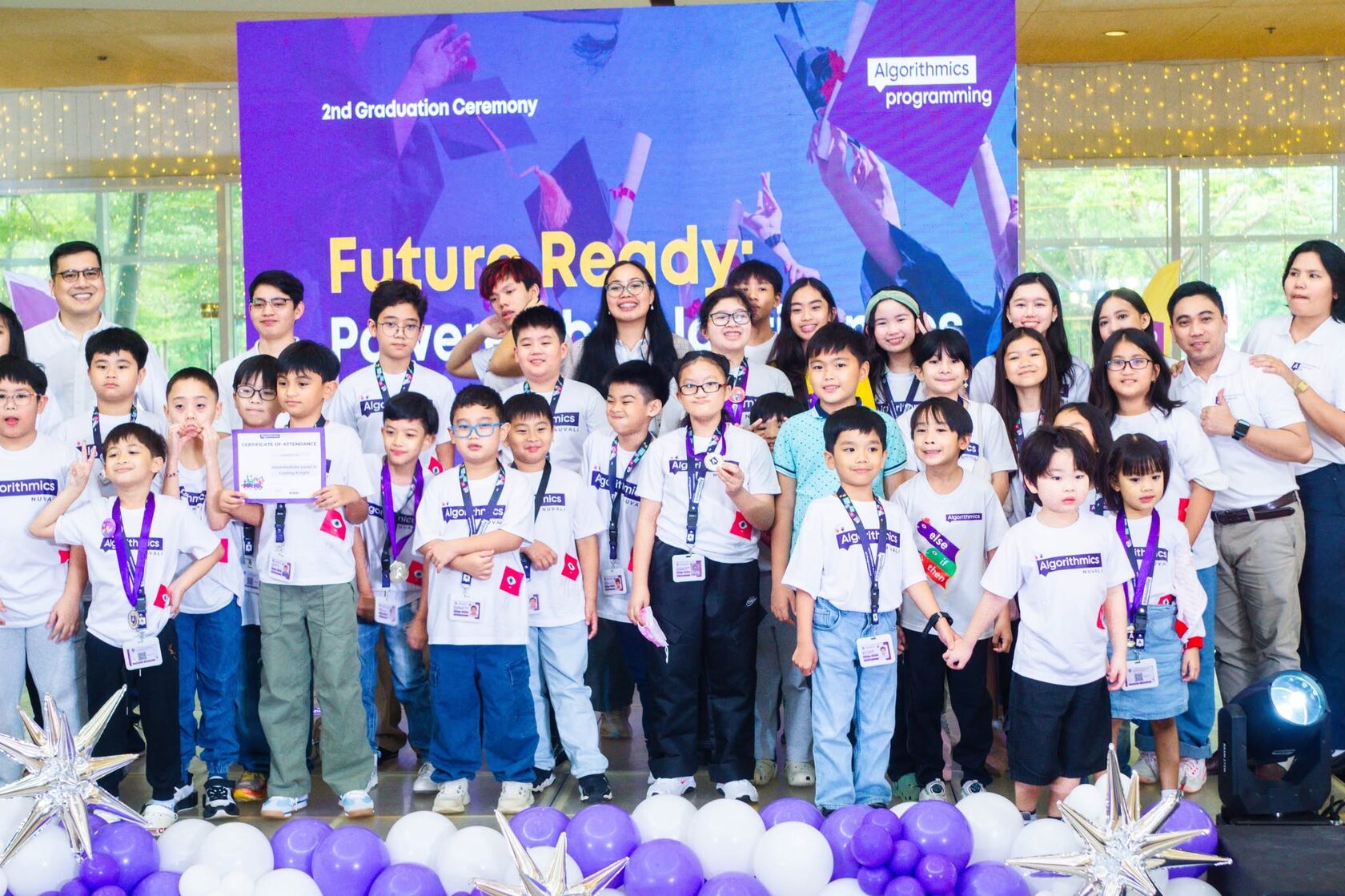
To get your first students for a new coding school, start with earned media and an online launch before you spend on paid ads or sign a lease. One press interview brought Algorithmics franchise partner Pedro Malpartida 26 students with no location and no ad budget; a discounted physical intensive later added 30–40 in a single month. This guide turns his approach into a 12-step checklist for your first six months.
Most new coding schools fail at student acquisition, not at teaching. Below is how one founder went from zero to his first paying students without a physical location, then to 30–40 students in a single month after opening one — based on a recorded interview with Pedro Malpartida, an Algorithmics franchise partner.
Most new coding schools fail at student acquisition, not at teaching. Below is how one founder went from zero to his first paying students without a physical location, then to 30–40 students in a single month after opening one — based on a recorded interview with Pedro Malpartida, an Algorithmics franchise partner.
Key takeaways
You do not need a location to start. Launching online lets you validate demand and generate revenue before signing a lease.
Your first students come from earned media, not paid ads. A single press interview produced 26 enrollments.
Launch with three courses, not twelve. A narrow catalog concentrates teacher recruitment and gives you clean demand signals.
Borrow infrastructure before you buy it. A revenue-share deal with a venue that already owns computers removes your largest capital cost.
Discount the first cohort deliberately. Half-price intensives buy market entry when nobody knows your brand yet.
Do not approach schools in month one. Institutions do not trust unknown providers. Month 6 to 12 is the realistic window.
Get marketing capability in-house from day one. Running paid campaigns is the single most important function for filling your first groups.
Differentiate on care, not curriculum. A staff psychologist and a talent-scouting program are harder to copy than a syllabus.
Your first students come from earned media, not paid ads. A single press interview produced 26 enrollments.
Launch with three courses, not twelve. A narrow catalog concentrates teacher recruitment and gives you clean demand signals.
Borrow infrastructure before you buy it. A revenue-share deal with a venue that already owns computers removes your largest capital cost.
Discount the first cohort deliberately. Half-price intensives buy market entry when nobody knows your brand yet.
Do not approach schools in month one. Institutions do not trust unknown providers. Month 6 to 12 is the realistic window.
Get marketing capability in-house from day one. Running paid campaigns is the single most important function for filling your first groups.
Differentiate on care, not curriculum. A staff psychologist and a talent-scouting program are harder to copy than a syllabus.
Who this guide is for
This playbook is written for four groups:
If you are trying to answer the question "how do I actually get students?" — this is the operational answer, not the theory.
- Aspiring education entrepreneurs planning to launch a coding school, STEM center, or after-school program.
- Existing education business owners who have a good product but cannot fill their classrooms.
- Marketing agency owners considering an education vertical who have the acquisition skills but not the operating model.
- Business development managers planning to leave corporate employment to start an EdTech venture.
If you are trying to answer the question "how do I actually get students?" — this is the operational answer, not the theory.
How do you get your first students for a new coding school?
Start with earned media before you spend on ads. Pedro Malpartida's first 26 students came from a single interview with a journalist — no physical location, no track record, no advertising budget. He had a story a local outlet wanted to run: a new way for children to learn programming.
This works because a new education business faces a trust problem, not an awareness problem. Parents aren't short on options for their children's time—they are short on reasons to trust a stranger with their child's education. Third-party media coverage transfers credibility in a way a paid ad cannot, and it costs nothing but the outreach.
What to do:
At the same time, do not bet everything on one channel. Test several acquisition channels simultaneously at launch — press, social content, local partnerships, parent referrals — and let performance data tell you where to concentrate. Early-stage marketing is a search problem: you are looking for the one or two channels that work in your specific market, and you cannot know which in advance.
This works because a new education business faces a trust problem, not an awareness problem. Parents aren't short on options for their children's time—they are short on reasons to trust a stranger with their child's education. Third-party media coverage transfers credibility in a way a paid ad cannot, and it costs nothing but the outreach.
What to do:
- List every local outlet, podcast, parenting blog, and community newsletter your audience reads.
- Pitch a story angle, not your business: what is changing about how children need to learn, and why now.
- Have a landing page and an enrollment path live before the piece runs.
At the same time, do not bet everything on one channel. Test several acquisition channels simultaneously at launch — press, social content, local partnerships, parent referrals — and let performance data tell you where to concentrate. Early-stage marketing is a search problem: you are looking for the one or two channels that work in your specific market, and you cannot know which in advance.
Do you need a physical location to launch a coding school?
No — and launching without one is often the smarter sequence. Pedro Malpartida began online specifically because of capital constraints. That constraint became an advantage: it let him test whether the product sold, at what price, and to which parents, before committing to a lease.
The sequence that works:
Reversing this order — signing a lease first, then looking for students — is how most new education businesses run out of money in year one.
The sequence that works:
- Launch online. Validate that people will pay.
- Use early revenue and demand data to justify a physical footprint.
- Open a location once you know which courses sell and roughly how many students you can fill.
Reversing this order — signing a lease first, then looking for students — is how most new education businesses run out of money in year one.
How do you open a physical location without buying equipment?
Partner with a venue that already has the hardware. For his physical launch, Pedro Malpartida partnered with a gaming arena — a structure that exists in most cities:
This eliminated the single largest startup cost — hardware — and let him test the physical format without capital risk.
Venues to approach with the same offer: gaming arenas and esports lounges, coworking spaces, community and cultural centers, libraries with computer rooms, private schools with idle labs after hours, and corporate training rooms.
- The venue's problem: it needs a new revenue product, especially during weekday and daytime hours when it sits empty.
- Your problem: you need a location and a room full of computers, both capital-intensive.
- The deal: you bring the curriculum, teachers, and students. They bring the space and machines.
This eliminated the single largest startup cost — hardware — and let him test the physical format without capital risk.
Venues to approach with the same offer: gaming arenas and esports lounges, coworking spaces, community and cultural centers, libraries with computer rooms, private schools with idle labs after hours, and corporate training rooms.
What pricing gets you students when nobody knows your brand?
Use a discounted, short-format intensive as the entry product. Entering a market where he was unknown, Pedro Malpartida offered intensive courses at half price. Within a month, he had 30 to 40 students.
In a market with no brand recognition, price is the lever that overcomes the trust deficit. A short, cheap intensive is a low-risk way for a parent to test you. Once their child has had a good experience, converting to a full-priced annual program is a far easier sale.
Design your entry offer so it:
In a market with no brand recognition, price is the lever that overcomes the trust deficit. A short, cheap intensive is a low-risk way for a parent to test you. Once their child has had a good experience, converting to a full-priced annual program is a far easier sale.
Design your entry offer so it:
- Runs short — days or weeks, not a full academic year.
- Costs meaningfully less than your standard program, and is clearly framed as an introductory rate.
- Ends with a concrete next step into the full program, priced normally.
- Produces something the child can show a parent. Visible output is your best conversion asset.
How many courses should you launch with?
Three or four. No more. Pedro Malpartida launched with three subjects — Game Design, Python Start, and Python Pro. Years later, those three remain his bestsellers. In the interview, he and Algorithmics' partner development lead, Irina Snatovich, agreed this is a firm recommendation for new operators.
The reasoning is operational, not marketing-driven:
Expand when marketing feedback shows real demand for a fourth or fifth subject — not before.
The reasoning is operational, not marketing-driven:
- Teacher recruitment. Every additional subject means another specialist to find, vet, train, and keep. Three subjects let you concentrate on hiring genuinely good teachers rather than filling slots.
- Clean demand signals. With a narrow catalog, your marketing data is easier to interpret. With twelve courses, every course looks weak, and you cannot tell whether the problem is the offer or the demand.
- Message clarity. Parents do not want to evaluate a catalog. They want to know what their child can do.
Expand when marketing feedback shows real demand for a fourth or fifth subject — not before.
Where do you find qualified programming teachers?
Recruit from adult programming academies and bootcamps in your area. Teacher supply is the hard constraint on scaling an education business, and where most founders stall. Pedro Malpartida solved it by partnering with an adult programming academy, which gave him access to their alums database as a recruitment pool.
Bootcamp graduates are technically competent, actively looking for work, often open to part-time or evening hours, and frequently enjoy teaching — and you are recruiting from a pre-filtered pool rather than an open market.
Other sources worth building relationships with: university computer science departments, local developer meetups, freelance developers wanting stable supplementary income, and — critically — your own strongest students' parents, who often work in tech.
Bootcamp graduates are technically competent, actively looking for work, often open to part-time or evening hours, and frequently enjoy teaching — and you are recruiting from a pre-filtered pool rather than an open market.
Other sources worth building relationships with: university computer science departments, local developer meetups, freelance developers wanting stable supplementary income, and — critically — your own strongest students' parents, who often work in tech.
When should you start approaching schools?
Between months six and twelve of operation. Not before. Pedro Malpartida is direct: schools will not trust a new, unknown entity. Before you approach an institution, you need visible infrastructure — a real location, real students, real teachers, and results you can point to.
Starting in month one misses the opportunity. Principals remember the provider who could not answer basic questions about their own operation, and you rarely get a clean second attempt at the same institution.
Starting in month one misses the opportunity. Principals remember the provider who could not answer basic questions about their own operation, and you rarely get a clean second attempt at the same institution.
How do you get schools to say yes?
Expect two objections and prepare for both.
"We already have a robotics provider." Many schools are already contracted with a supplier and see programming as an adjacent category they have covered. You need to clearly articulate what you do that their current provider does not—depth of programming curriculum, progression pathways, outcomes.
Institutional conservatism. School principals are risk-averse by role. A new external provider is downside risk for them with limited upside.
What worked for Pedro Malpartida:
Underneath this: educating parents and institutions on why programming skills matter is not a one-time campaign — it is a permanent part of the work. Budget for it as an operating cost, not a launch task.
"We already have a robotics provider." Many schools are already contracted with a supplier and see programming as an adjacent category they have covered. You need to clearly articulate what you do that their current provider does not—depth of programming curriculum, progression pathways, outcomes.
Institutional conservatism. School principals are risk-averse by role. A new external provider is downside risk for them with limited upside.
What worked for Pedro Malpartida:
- Free trial sessions. Let the school observe the product with their own students, at no cost and no commitment. This converts an abstract claim into an observed fact.
- Demonstrations for teachers, not just administrators. Teachers who understand the offer become internal advocates, and a conservative principal is far more likely to approve something their staff already want.
Underneath this: educating parents and institutions on why programming skills matter is not a one-time campaign — it is a permanent part of the work. Budget for it as an operating cost, not a launch task.
Who should run marketing when you launch?
You need real marketing capability in-house from day one. This function fills your first group; you shouldn't postpone it or fully delegate it to an outside agency.
Pedro Malpartida is a marketer by background, which is why he ran campaigns himself rather than hiring an agency. That is the honest version of the lesson: he did not save money by being scrappy; he saved money because he already had the skill. If you don't have it, buy it — a marketer on the team before you open, not after enrollment stalls.
Alongside campaigns, he hired a dedicated content creator to handle the brand's visual representation and keep it friendly and professional. The two roles are different and both matter: campaigns generate demand, content makes the brand credible enough for that demand to convert.
What this means in practice:
On AI tools: launching campaigns and analyzing results is far more accessible now than a few years ago. AI can guide campaign setup and help interpret performance data — but it lowers the bar for someone who already understands what they are looking at. It multiplies marketing skill, not replaces it.
Pedro Malpartida is a marketer by background, which is why he ran campaigns himself rather than hiring an agency. That is the honest version of the lesson: he did not save money by being scrappy; he saved money because he already had the skill. If you don't have it, buy it — a marketer on the team before you open, not after enrollment stalls.
Alongside campaigns, he hired a dedicated content creator to handle the brand's visual representation and keep it friendly and professional. The two roles are different and both matter: campaigns generate demand, content makes the brand credible enough for that demand to convert.
What this means in practice:
- Campaign launch is your first hire, not your last. If neither founder can run paid acquisition competently, hire a marketer before you sign a lease. An empty classroom costs more than a salary.
- Do not hand the whole function to an agency at the start. In the early months, you are still learning which channels, messages, and offers work in your market — that knowledge needs to live inside the business.
- Separate content from performance. One person on brand visuals and social presence, one person (or the founder) on paid campaigns and analytics.
- Instrument everything from day one. You cannot tell which test channel is working unless you attribute enrollments to their source from the first week.
On AI tools: launching campaigns and analyzing results is far more accessible now than a few years ago. AI can guide campaign setup and help interpret performance data — but it lowers the bar for someone who already understands what they are looking at. It multiplies marketing skill, not replaces it.
What hidden costs kill new education businesses?
Property terms and working capital. In many markets, landlords require a significant advance — in some cases six months of rent upfront plus three months of deposit — before handing over the keys. Credit for a new business can be limited or nonexistent, which means this comes out of founder capital.
Model these before you commit:
A business that can cover its monthly rent but not nine months of it on day one does not have a demand problem. It has a planning problem.
Model these before you commit:
- Advance rent and deposit under your local norms — ask three landlords, not one.
- Fit-out and hardware, unless you use the venue-partnership route above.
- Three to six months of teacher salaries before enrollment revenue stabilizes.
- Marketing spend across the testing period, when you are deliberately funding channels that will not all work.
A business that can cover its monthly rent but not nine months of it on day one does not have a demand problem. It has a planning problem.
How do you differentiate in a market full of coding schools?
Compete on things that cannot be copied from your website. Curriculum is not a durable differentiator. Two things Pedro Malpartida built are:
A psychologist on staff. Within the first five months, he integrated a psychologist to support students with diverse needs — including children with Asperger's, autistic students, and children who are introverted and struggle in group settings. This moves the offer from course delivery to holistic child development, which is what parents are actually buying — and answers a question many parents quietly ask: will my child be okay here?
Talent scouting. He identified a student with exceptional mathematical ability, offered him a place, and that student went on to win two Olympiad medals. Systematizing this — actively scouting high-potential students and building a "talent factory" around them — creates a story no competitor can borrow, and gives high-intent parents a reason to choose you specifically.
A psychologist on staff. Within the first five months, he integrated a psychologist to support students with diverse needs — including children with Asperger's, autistic students, and children who are introverted and struggle in group settings. This moves the offer from course delivery to holistic child development, which is what parents are actually buying — and answers a question many parents quietly ask: will my child be okay here?
Talent scouting. He identified a student with exceptional mathematical ability, offered him a place, and that student went on to win two Olympiad medals. Systematizing this — actively scouting high-potential students and building a "talent factory" around them — creates a story no competitor can borrow, and gives high-intent parents a reason to choose you specifically.
What kind of team culture scales an education business?
Pedro Malpartida describes his organization as a leadership-based community rather than a boss-centric hierarchy. We expect team members to share their perspectives, and we assume the team grows together toward shared goals.
This is not a soft consideration in education. From a parent's point of view, your teachers are the product. Teacher churn is directly visible to customers and directly damages retention; teachers who feel ownership stay longer and sell your program more convincingly than any campaign you run.
This is not a soft consideration in education. From a parent's point of view, your teachers are the product. Teacher churn is directly visible to customers and directly damages retention; teachers who feel ownership stay longer and sell your program more convincingly than any campaign you run.
Where else do you find students and partners?
Understand your entire local ecosystem, not just your direct competitors. Every venue, provider, school, and adjacent business can be a potential channel, partner, or acquisition target. Specifically worth pursuing:
- Professional exhibitions and trade fairs, where parents and institutional buyers gather in one place.
- Startup and innovation events, which build credibility and generate partner introductions.
- Educational conferences, where school decision-makers are already receptive.
- Corporate innovation departments — including at banks — which fund education initiatives and represent a B2B revenue line most coding schools never touch.
The 12-step checklist: your first six months
Months 0–1: Validate
- Launch online first. Do not sign a lease until you have paying students.
- Choose exactly three courses. Concentrate teacher recruitment on those subjects only.
- Pitch local media. One published story can help you build your first cohort.
- Test three or more acquisition channels simultaneously and track them separately.
Months 1–3: Establish
- Find a venue partner that already owns computers — a gaming arena, coworking space, or community center — and structure a revenue share instead of a lease.
- Launch a half-price intensive as your market-entry product, with a defined path into the full-price program.
- Recruit teachers from adult coding academies and bootcamp alum networks, not open job boards.
- Put a competent marketer on paid campaigns from week one — yourself if that is your background, a hire if not. Add a dedicated content creator for brand visuals separately.
Months 3–6: Differentiate
- Add a specialist support role — a psychologist or learning-needs specialist — to serve students other providers turn away.
- Start scouting exceptional students and build a talent program around them.
- Map your full local ecosystem: schools, competitors, venues, corporate innovation departments, conferences.
- Only now begin school outreach — with free trials and teacher-facing demonstrations, not a sales deck.
Frequently asked questions
How long does it take to get the first 100 students at a coding school?
There is no universal answer, but the pattern is instructive: 26 students from a single press interview in the online phase, then 30 to 40 within one month of launching a discounted physical intensive. Reaching triple digits within the first year is realistic if you validate online first, use a low-friction entry offer, and test multiple acquisition channels rather than committing to one.
Is it better to start a coding school online or offline?
Online first. It requires far less capital, lets you validate demand and pricing, and generates revenue to fund a physical location. Open a location once you know which courses sell and can estimate how many students you can fill.
How much money do you need to open a coding school?
Property and hardware are the main costs, and both can be deferred. A venue partnership eliminates hardware costs. Property is the bigger risk: some markets require six months of rent in advance plus a three-month deposit, so model your local terms before committing. Also budget three to six months of teacher salaries and a marketing testing budget.
How do you find teachers for a coding school?
Partner with adult programming academies and bootcamps for access to their alum networks. These graduates are technically qualified, actively seeking work, and often available part-time or in the evenings. University CS departments and developer meetups are secondary sources.
When should a new coding school approach schools for partnerships?
Between the sixth month and the first year of operation. Schools don't trust providers without visible infrastructure and proven results. Approaching too early usually burns the relationship.
How do you convince a school that already works with a robotics provider?
Offer free trial sessions so the school can try the product with its own students at no risk, and run demonstrations for teachers, not just administrators. Teachers who understand the value become internal advocates, which is what moves a risk-averse principal.
Do I need a marketer to launch a coding school?
Yes. Launching advertising campaigns is the most important function for filling your first groups. If you are a marketer by background, run your own campaigns; if not, hire someone before you open rather than outsourcing the entire function. Keep content creation as a separate role, and use AI tools to assist campaign setup and analysis rather than replace the skill.
What makes a coding school stand out from competitors?
Not the curriculum — competitors can match a syllabus. Durable differentiators are operational and human: specialist support staff, such as a psychologist for students with diverse learning needs; a talent-scouting program that produces visible student achievements; and low teacher turnover.
Thinking about opening your own coding school? Explore the Algorithmics franchise opportunity.