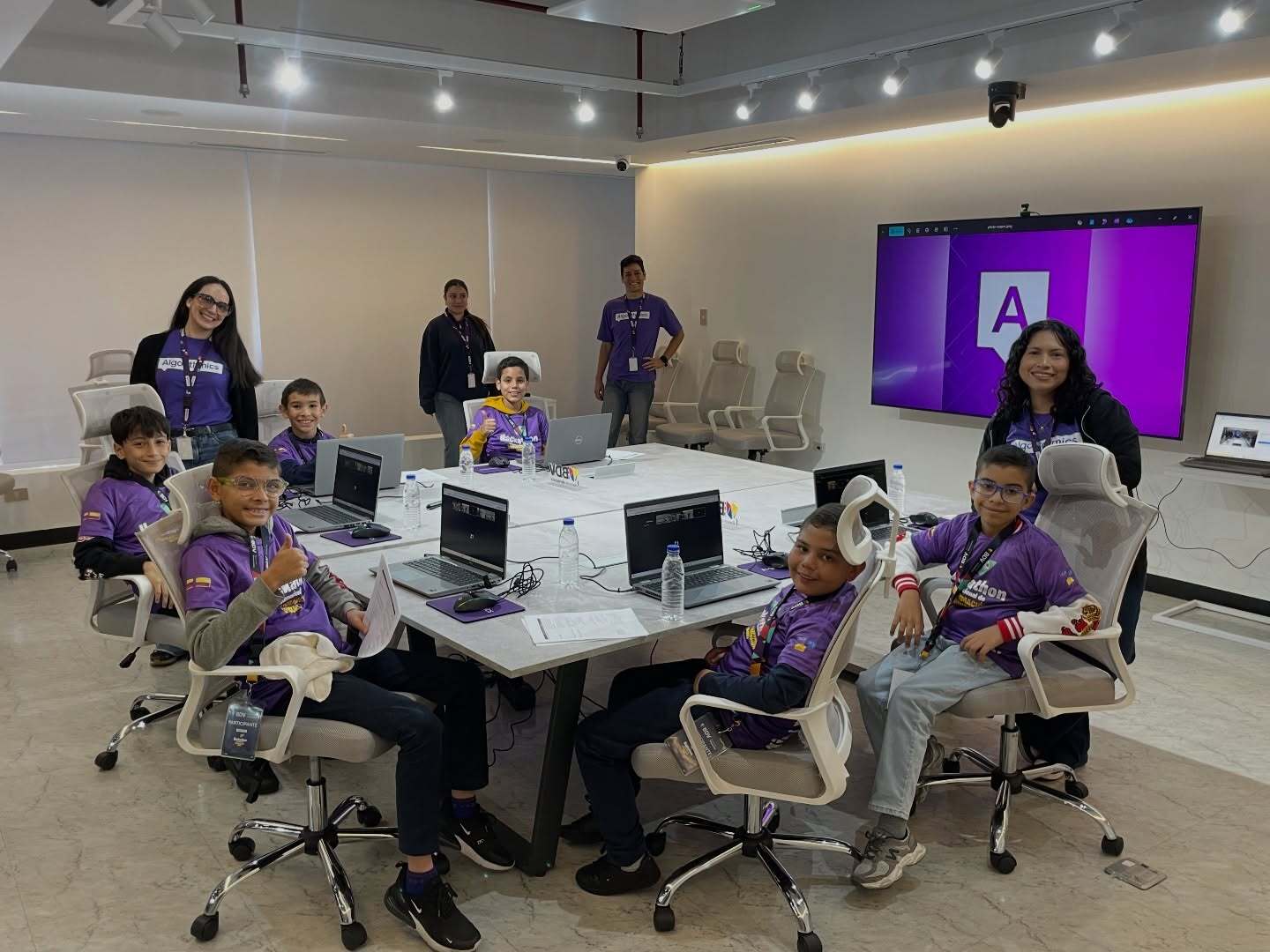
Pedro Malpartida Sosa has scaled his Algorithmics operation to three centers across Caracas, Venezuela — from what began as a lean test project to three thriving locations in the capital. His five non-obvious growth tips, drawn from doing it in a tough market: partner instead of renting, test at half price first, build marketing in-house, invest in your best people, and hire a child psychologist early.
Pedro's top 5 non-obvious growth tips
1. Don't rent — partner
Instead of signing an expensive lease and buying equipment, Pedro partnered with venues that already had space and computers — sharing revenue instead of paying rent. It removed his single largest startup cost and let him test locations without capital risk. For a first center, a revenue-share deal with a venue that already owns the hardware is often the difference between opening and never starting.
2. Test at half-price first
Entering districts where the brand was unknown, Pedro launched with discounted intensives rather than full-price annual programs. A short, low-cost course is a low-risk way for a parent to try you—and once their child has a good experience, converting to a full-price program is a much easier sale. Price is the lever that overcomes the trust deficit in a new market.
3. Ditch agencies for in-house talent
Rather than outsourcing marketing to an agency, Pedro built the capability in-house. In the early months, the knowledge of which channels, messages, and offers work in your market needs to live inside the business—not with an outside vendor. Marketing fills your first groups, so it's the last thing to hand off unquestioningly.
4. Find your "jewels" and pay for them
Pedro's advice: identify your genuinely exceptional people — teachers and staff who move the business — and invest in keeping them. In education, teachers are the product, and losing a great one is far more expensive than paying to keep them. A center scales on the strength of the few people who make parents and students want to stay.
5. Hire a child psychologist early
Within the first months, Pedro brought a psychologist onto the team to support students with diverse needs. This shifts the offer from "coding classes" to genuine child development—which is what parents are actually buying—and answers a quiet question many parents have: will my child be looked after here? It's also a differentiator competitors can't copy from a website.
Why this matters if you're considering a center
Pedro's story is one of the strongest proofs a franchise model can offer — not because of the marketing, but because of what he did with it:
- A second and third center is the real signal. Nobody scales to three locations if the first didn't work. Expansion is a more honest endorsement than any pitch.
- His growth levers are systems, not luck. Partnering for space, discounted entry, in-house marketing, retaining key people, holistic care — these are repeatable moves, not one-offs.
- He did it in a hard market. Scaling to three centers in Caracas shows the model holds up where conditions are far from easy.
From zero rent to three city locations, Pedro proves that smart partnerships and genuine community care unlock real scale.
Could you build a network like Pedro's in your city? Explore the Algorithmics franchise →